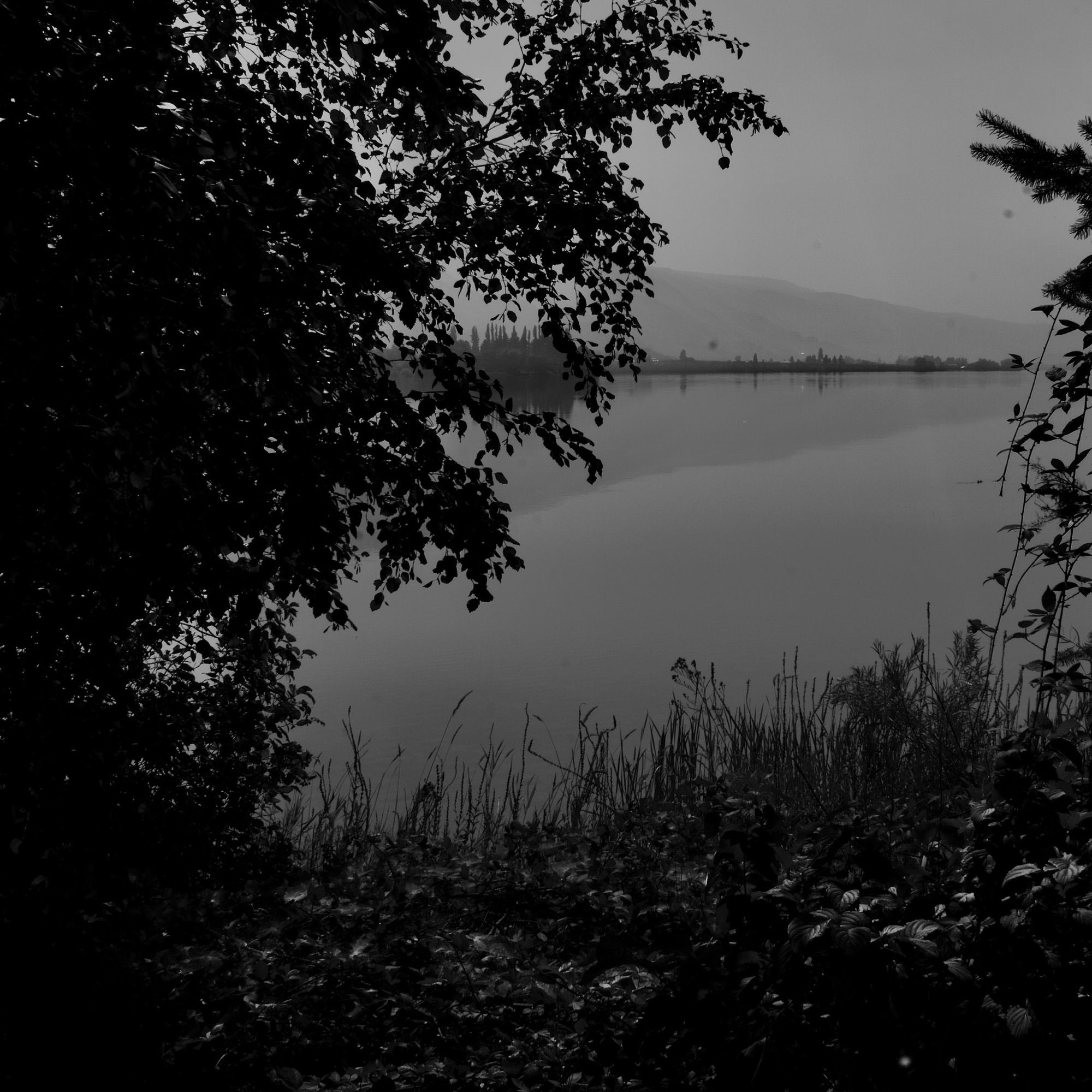
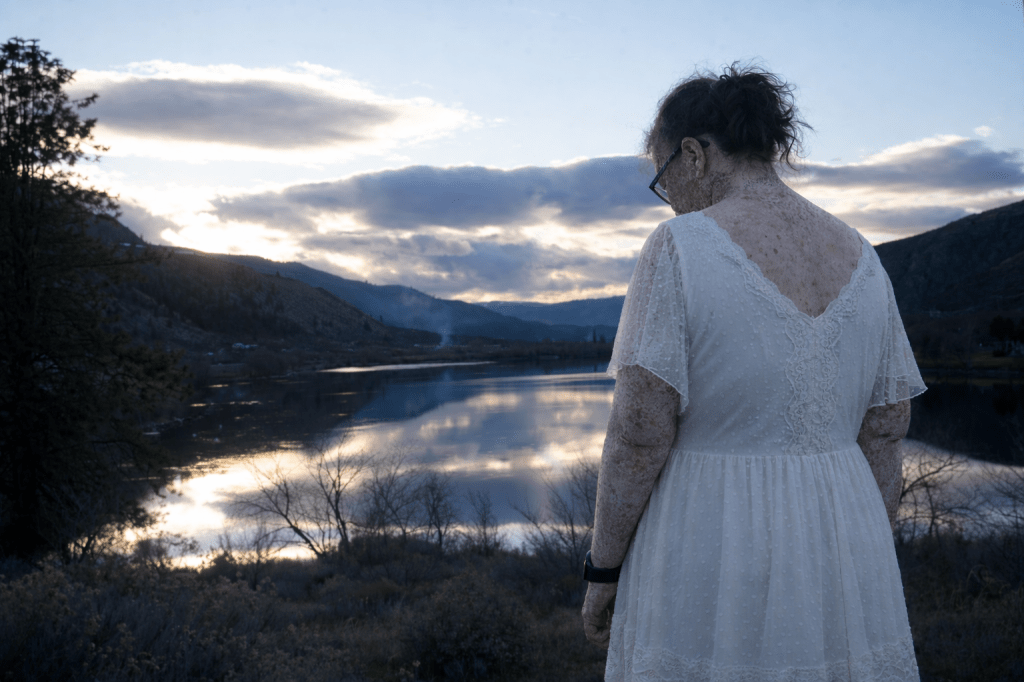
There are some wounds and hurts that never announce themselves out loud—they just quietly alter the way you move through the world.
There is a specific kind of heartbreak that comes along with being visibly different, and I don’t think it ever fully leaves you. Observable conditions are brutally cruel emotionally. The shame and sadness are intertwined with my soul.
Experiences don’t just sit in memory; they shape you and overshadow much of the goodness in your life. They make you cautious in joy, hesitant in closeness, and painfully aware of how your condition precedes you in every interaction.
I remember being a young child and realizing, without anyone needing to explain it to me, that people saw me as something uncomfortable or something to be feared. I deliberately chose the word “something,” my humanity erased. It is not because of who I am, but because of my genetic skin condition.
That realization doesn’t just pass through you—it settles in. It teaches you to pay attention and try to guard yourself. To notice every glance, every double take, every subtle shift in someone’s expression, body language, or treatment of you. There were many seasons where I just learned how to hide—not always necessarily physically, but in quieter ways: choosing where to sit so fewer people could see me, avoiding eye contact so I wouldn’t have to read the reaction in someone else’s face, timing my movements so I could slip in and out of places without being noticed for too long.
As a child, I stopped offering my hand first when greeting people and found myself feeling anxious when games or other situations called for hand holding, hesitating instead, already anticipating how the exchange might unfold. I notice the small things—like when someone wipes their hand off after touching mine, gestures so slight they might go unseen by anyone else.
It turns something as simple as existing into something that feels exhausting. Some days I feel devastated and tired in my bones. There are moments I almost forget—until I’m reminded again. When someone looks at you for too long, your mind fills in the blanks for them. You brace yourself for the comment, the question, the fear, the disgust—even if it never comes.
Because even when people don’t say anything, you can still feel it. The discomfort. The unspoken questions. They make you wish to shrink, to look down, to take up less space somehow, even though you know that isn’t really possible.
My heart often shatters in a way that’s hard to explain without it sounding small on paper, even though it rarely feels small in my body. It fragments in the quiet moments—when I catch someone staring at me for too long, when I can feel myself being noticed and feared before I’ve even had the chance to be known, when I realize how quickly I learn rooms without ever speaking in them, mapping safety before connection.
My heart aches when old memories sit so close to the surface that a single glance, belittling action, or word pulls them back up. My heart sinks, sharp and heavy. My heart ultimately knows the feeling too well to react with anything but recognition. It’s the kind of sinking that doesn’t make a sound, that settles and stays, weaving itself through my body until it becomes hard to tell where the moment ends and where I begin again.
My heart splinters not just because of what has been said or done, but because of what gets internalized over time—the way you start to carry other people’s reactions inside your own sense of self.
It’s a slow, repeated agony, and it comes from the weight of being seen differently in a world that so easily and narrowly decides what “normal” should look like.
The human heart is incredibly fragile. Over time, moments don’t just stay moments; they create a lifetime of feeling unworthy. They make you second-guess yourself in ways that feel small at first, but eventually touch everything—how you interact with people, how open you are, how much of yourself you allow others to see.
It’s the way it makes you feel like you have to apologize in advance for things that were never yours to hold. The way it convinces you that, if you just looked different, things would be easier—that maybe you would be easier to love, easier to accept, easier to merely exist as.
When I catch someone staring or whispering about me, I feel small, exposed, and painfully aware of every inch of my body. The deep sadness and ingrained shame never fully go away. You just attempt to get used to carrying them. I often find myself faltering under the weight.
Memory is horribly cruel—it doesn’t just let you remember what happened; it makes you relive the exact words, the exact tone, the exact facial expressions, the exact feeling of being reduced in a single moment that never fully fades, no matter how much time has passed. The hardest part isn’t being seen—it’s learning how not to see myself the same way.
Over time, shame stops sounding like something from the outside world and starts sounding like your own voice, repeating back everything you were made to feel. When you have witnessed the worst in humanity, you proceed with caution, even when it is not always warranted. I am deeply grateful for the people who have been like lighthouses in my life—steady, patient sources of brightness when I feel lost in the depths of my own thoughts.
As I search for self-love and courage, it often feels like I am diving through heavy waters, weighed down by memory and doubt, afraid at times that I might not make it back to the surface. The love I am trying to build isn’t simple or effortless; it doesn’t arrive as easy affirmations on good days. It has to be unearthed from somewhere quiet and buried, a place where old shame still lingers and tries to pull me under.
It is ongoing work. But even in those depths, where everything feels dense and uncertain, I want to believe there is something within me that resists sinking—something that keeps reaching upward, toward light.

 Stories Beyond the Shadows
Leave a comment