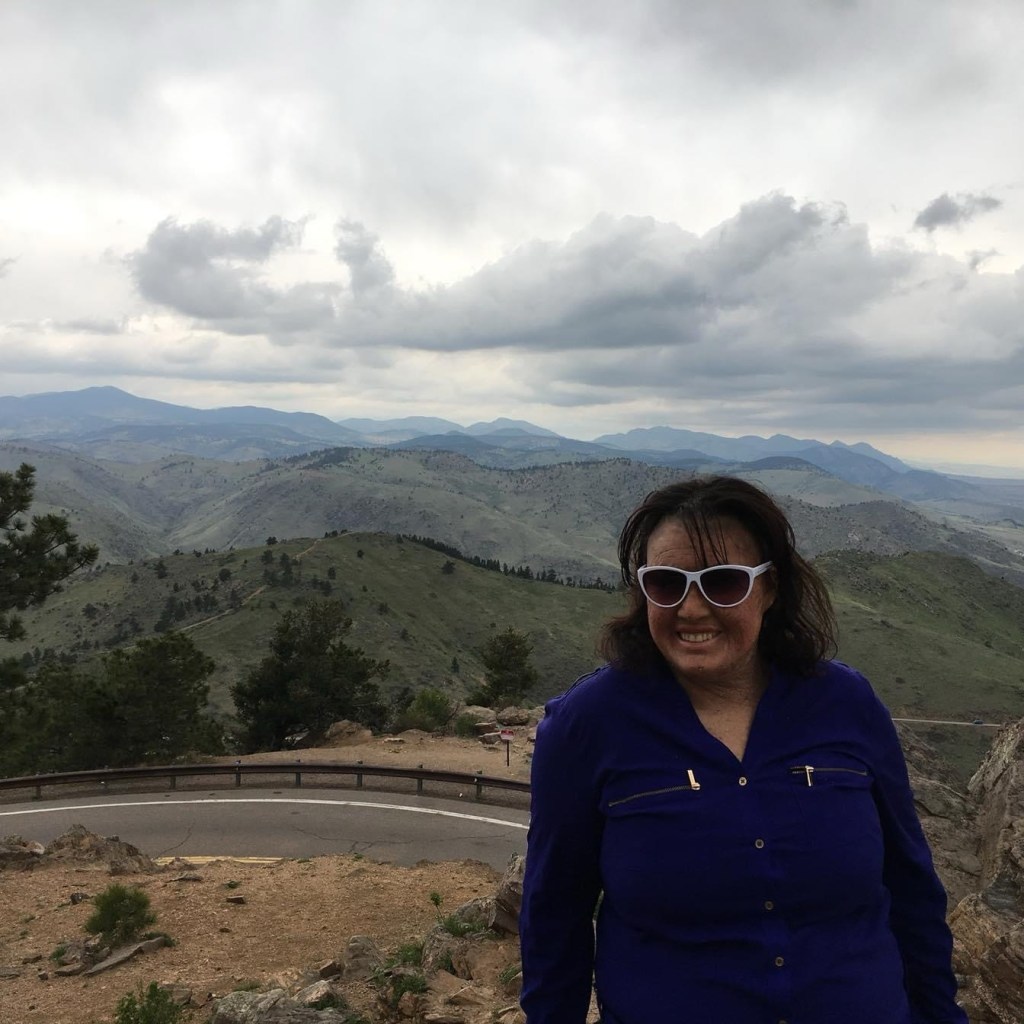
I am drawn to the quiet, often unspoken parts of the human experience—where identity, visible difference, and mental health struggles intersect. Living with Lamellar Ichthyosis has shaped how I move through the world, but it is only one part of my story. My writing reflects my ongoing relationship with mental health and the long, difficult and nonlinear process of healing.
For much of my life, I carried a deep sense of shame about being visibly different. Early experiences of being stared at, misunderstood, or treated as something less than human didn’t just pass—they settled in, shaping how I saw myself and how much of myself I allowed others to see. Over time, that external perception became internal, feeding into struggles with self-worth, isolation, and mental health.
Writing began as a private way to process what I didn’t have words for out loud—the quiet heartbreak of feeling exposed in my own body, the exhaustion of anticipating how others might react, and the weight of memories that don’t easily fade. It also became a space where I could explore the harder, less visible battles: depression that lingers like a storm cloud, anxiety that makes even small moments feel overwhelming, and the fragile, often uncertain hope trying to get to the other side.
My writing is rooted in honesty rather than resolution. I write about what it feels like to carry shame while trying to unlearn it, to want connection while fearing it, and to search for self-worth in a world that often ties it to appearance or normalcy. I am especially interested in the in-between spaces—the moments where healing is not complete, but something in me is still reaching for it.
I share my writing not because I have everything figured out, but because I believe there is power in honesty. My hope is that in telling my story, others might feel a little less alone in theirs—and perhaps begin to meet themselves with a little more compassion.
I wholeheartedly believe that bearing witness to other people’s pain and stories is so important. I believe that it needs to be a more central part of the human experience. I am grateful that you are here.
If you would like to support my work:
 storiesbeyondtheshadows